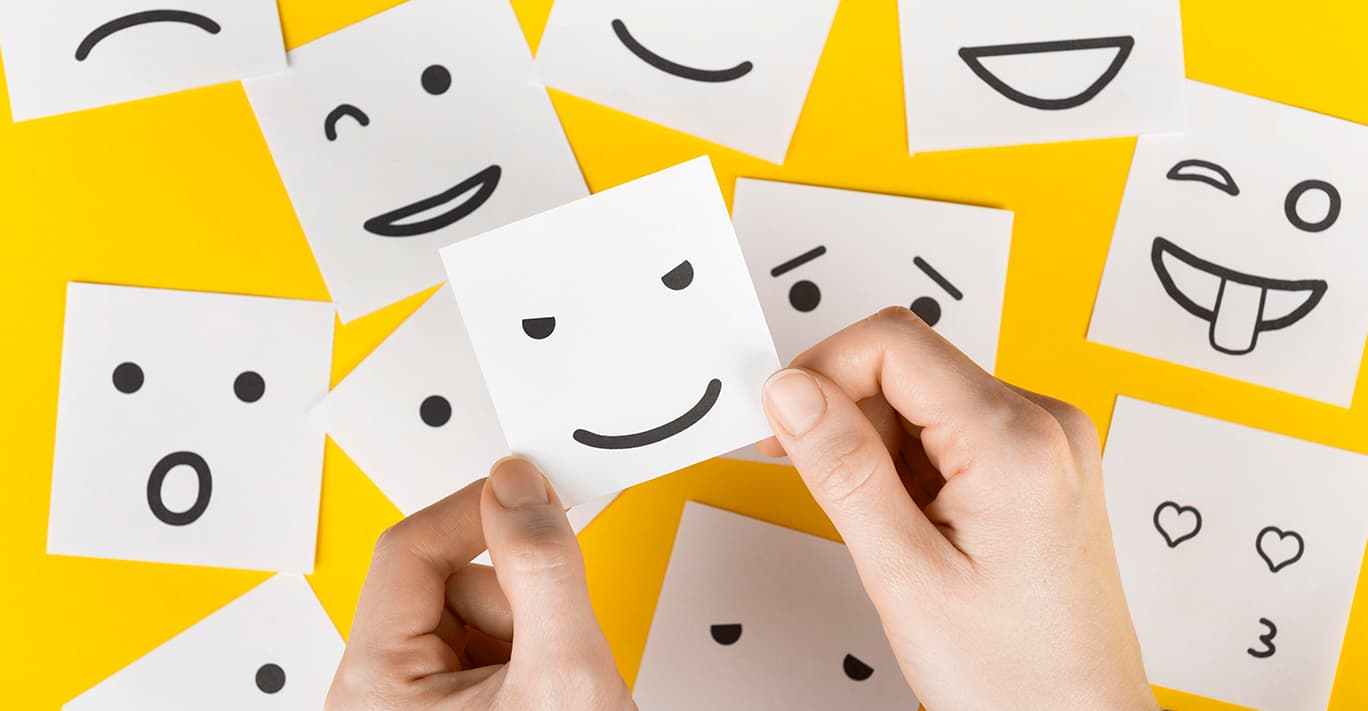

تنظیم هیجان یک مهارت حیاتی است که به ما کمک می کند تا در فراز و نشیب های زندگی روزمره حرکت کنیم. The ability to deliberately control and manage our emotional state. We all feel frustrated in traffic, sad when we miss our loved ones or angry when someone lets us down. These emotional responses are normal, but for some, managing emotions becomes a challenge, with highs and lows that feel overwhelming.
People who struggle with emotional disorders often experience rapidly changing moods – one moment calm, the next angry or sad. These extreme changes can disrupt relationships, damage mental health, and cause people to lose control.
The causes of emotional swings are different. It may result from triggers associated with past trauma, physical factors such as fatigue or low blood sugar, or lack of exposure to healthy strategies for self-regulation. Whatever the reason, the result is often the same: feeling in control of your emotions instead of controlling them.
The good news is that emotion regulation can be learned. Through techniques such as mindfulness, cognitive reappraisal, and self-awareness, anyone can develop the skills needed to effectively manage emotions and create greater resilience.
What is emotional regulation?
Emotional regulation is taking any action that changes the intensity of an emotional experience. This does not mean suppressing or avoiding emotions. With emotion regulation skills, you can influence your emotions as well as how you express them.
Ultimately, it refers to the ability to exercise effective control over your emotions through a wide variety of approaches.
Some people are better at regulating their emotions than others. They have high emotional intelligence and are aware of both their own inner experiences and the feelings of others. While it may seem like they are just "naturally calm", these people also experience negative emotions. They have recently developed coping strategies that allow them to self-regulate difficult emotions.
The good news is that emotional self-regulation is not a fixed trait. Emotion regulation skills can be learned and improved over time. Learning how to manage negative experiences can help your mental and physical health.
Why is emotional regulation important?
Emotional regulation is essential to effectively lead life and maintain healthy relationships. As adults, we are expected to manage our emotions in ways that are socially acceptable and support our personal and professional well-being. When emotions overwhelm us, they can create significant challenges.
Factors that disrupt emotion regulation
- Negative emotion beliefs: deeply held beliefs that certain emotions are “bad” can prevent healthy processing.
- Lack of self-regulation skills: without effective strategies, managing emotional responses can be difficult.
- Stressful situations: scenarios Stress can increase emotional intensity and make regulation more difficult.
Effects of poor emotion regulation
Regarding relationships:
Uncontrolled anger can lead to saying hurtful things that damage trust and alienate others. Repairing relationships often requires considerable time and emotional energy – and may not always be successful.
Regarding personal mental health:
Persistent sadness can reduce quality of life, while uncontrolled fear may prevent us from taking risks or embracing new opportunities. This can lead to unnecessary suffering and limit personal growth.
Why emotion regulation is important
By learning to manage emotions effectively, we can:
- Strengthen our relationships with others.
- Reduce unnecessary stress and suffering.
- Build resilience and confidence to explore new opportunities.
Mastering emotion regulation is key to living a life. It is balanced and complete.
5 Emotion Regulation Skills You Must Master
There are a number of skills that can help us regulate our emotions.
- Create space
Emotions happen quickly. We don't think "I'm going to get angry now" - we suddenly clench our jaws and get angry. So the number one skill in regulating difficult emotions, the gift we can give ourselves, is pause. Breathe Slow down the moment between the trigger and the response.
- Pay attention to what you feel
An equally important skill involves the ability to become aware of what you feel. Dr. Judson Brewer recommends exercises to become more curious about your physical reactions. Align yourself and consider: in which parts of your body do you notice emotions? Is your stomach upset? Is your heart racing? Do you feel tension in your neck or head?
Your physical symptoms can be clues to what you are experiencing emotionally. Inquiring about what is physically happening to you can also distract you and allow some of the intensity of the emotions to dissipate.
- Naming What You Feel
Once you notice what you are feeling, being able to name it can help you gain control over what is happening. Ask yourself: What do you call the excitement you feel? Is it anger, sadness, frustration or resentment? what else One powerful emotion that is often hidden beneath others is fear.
Many of us feel more than one emotion at a time, so don't hesitate to identify the many emotions you may be feeling. Then dig a little deeper. If you feel afraid, what are you afraid of? If you feel angry, what are you angry about or what are you angry about? Being able to name your emotions helps you get one step closer to sharing your emotions with others.
- Acceptance Emotions
Emotions are a natural and natural part of how we react to situations. Instead of beating yourself up for feeling angry or scared, know that your emotional reactions are valid. Try practicing self-compassion and giving yourself grace. Know that experiencing emotions is a natural human reaction.
- Mindfulness practice
Mindfulness helps us to "live in the moment" by paying attention to what is inside us. Use your senses to notice what is happening around you in non-judgmental ways. These skills can help you stay calm when you are in the midst of emotional pain and avoid engaging in negative thought patterns.
- Acting on your values
Susan David's theory of emotional agility is a framework for understanding and managing our emotions in a way that allows us to live a fulfilling life. It emphasizes the importance of paying attention to emotions, accepting them without judgment, and choosing how to respond to them in a way that aligns with our values.
7 strategies to help you regulate your emotions
Learning to regulate emotions is a skill that can improve relationships, mental health, and overall well-being. By using practical techniques, you can manage emotions more effectively and respond to challenges with flexibility. It is important to consider which strategies are most helpful and which to avoid.
There are two general categories of emotion regulation. The first is reappraisal: changing the way we think about something in order to change our response. The second is suppression, which is associated with more negative outcomes. Research shows that ignoring our emotions is associated with dissatisfaction and poor well-being.
Let's look at 7 strategies that can help manage emotions in a healthy and useful way.
- Identify and reduce triggers
You shouldn't try to avoid negative emotions – or fear them. But you also don't have to put yourself in a situation that brings unpleasant emotions. Start looking for patterns or triggers when strong emotions start. It requires curiosity and honesty. Did something make you feel small? Strong emotions often stem from our deepest insecurities, especially those we hide. What is going on around you and what past experiences are bringing you up?
Once you identify these triggers, you can begin to examine why they carry so much weight and whether you can reduce their importance.
- Tune in to physical signs
Pay attention to how you feel, including whether you feel hungry or tired. These factors can intensify your emotions and make you interpret your emotions more strongly. If you can address the underlying problem (such as hunger, fatigue), you can change your emotional response.
- Consider the story you tell yourself
In the absence of information, we fill in the blanks with our own details. Maybe you feel rejected after not hearing from a family member. You believe it's because they don't care about you anymore.
Before voicing these documents, ask yourself: What other explanations might be possible?
Shauna Waters recommends the “just like me” technique. Add "just like me" to the end of any motivation or action you attribute to the other person (almost always someone else is involved). It's a way to remind them that they too are imperfect.
- Engage in positive self-talk
When our emotions are overwhelming, our self-talk can become negative: “I messed up again” or “everyone else is so horrible.” This technique can help reduce the impact of negative emotions and strengthen emotional resilience.
If you treat yourself with empathy, you can replace some of this negative talk with positive comments. Try encouraging yourself by saying "I always try so hard" or "People do the best they can." This change can help reduce the emotions we feel. You can still be frustrated by a situation that isn't working, but you no longer have to blame or extrapolate it beyond the situation.
- Make a choice about how to respond
In most situations, we have a choice about how to respond. If you tend to respond to feelings of anger by blaming others, you're likely to notice a negative effect on your relationships. You may also notice that it doesn't feel good. Or you feel good right now, but the consequences are painful.
The next time you feel anger or fear, realize that you have to choose how you want to respond. Can you try a different answer instead of blaming? Is it possible to tell someone that you are angry instead of speaking harshly to them? how did you feel How did the other person respond?
- Look for positiveemotions
Humans naturally give more weight to negative emotions than to positive emotions. This is known as negativity bias. Negative emotions such as disgust, anger and sadness carry a lot of weight. Positive emotions such as satisfaction, interest and gratitude are calmer. Getting into the habit of paying attention to these positive experiences can increase resilience and well-being.
- Seek a Therapist
Managing our own emotions can be difficult. It requires high self-awareness. When we find ourselves in difficult situations, our emotional self-regulation begins to suffer. Sometimes we need a partner like a therapist to help us learn better self-regulation skills. Fortunately, there are a number of therapeutic solutions that can help us learn to regulate our emotions better.
What is an emotional dysregulation disorder?
Emotional dysregulation is a condition in which a person has difficulty managing their emotions. This inability to adequately regulate emotions is called dysregulation. Dysregulation is a poor ability to manage emotional responses or keep reactions within acceptable limits.
A person with emotional dysregulation is more likely to experience dramatic changes in their mood. These fluctuations, in turn, negatively affect a person's actions.
Emotional dysregulation can lead to some of the following:
- Difficulty in creating and maintaining healthy relationships
- Self-destructive behavior
- Oversensitivity
- Frequent meltdowns or temper tantrums
- Outbursts of emotions and emotions that are directed at someone who did not cause harm.
Emotional dysregulation can also be associated with other mental health problems. Disorders such as depression, stress, or borderline personality disorder often complicate emotional regulation.
What is DBT?
There are many treatment approaches that can help with emotional dysregulation. These interventions are practical in nature and can be quite successful.
One of the approaches that can help with emotional dysregulation is Dialectical Behavior Therapy (DBT). DBT is a type of cognitive behavioral therapy that seeks to identify negative thought patterns. Individuals work with a therapist to replace these patterns with positive behavioral changes.
DBT is a cognitive reappraisal technique. This includes actions such as thought substitution or situational role reversal. In situational role change, a person imagines a situation from a different perspective. This exercise can help them develop empathy and cognitive flexibility.
One of the long-term goals of dialectical behavior therapy is to improve distress tolerance. Distress tolerance is the ability to sit with distressing emotions, feelings, and experiences. Emotional dysregulation often results from a desire to "get over" an unpleasant emotion. Without awareness, people tend to resort to self-harm, substance abuse, and other behaviors to escape this feeling. Building distress tolerance provides a self-help toolkit. This usually involves self-soothing techniques, distraction and radical acceptance. With practice, you can learn how to calm yourself down.
Negative emotions are part of our daily lives, and pretending they don't exist won't make them go away. Instead of trying to avoid them, we should try to develop emotional intelligence and regulation skills. Developing the ability to self-regulate is critical to leadership, communication, and relationships.
Strive to better regulate your emotions
These tools can help you get closer to effectively managing your emotions, but an outside perspective can help. If you're looking for support, work with a coach to help you develop these unique skills.